JBC CD-2BC Professional Soldering Station vs Metcal MX-5210 Soldering and Rework System
Head-to-head spec comparison to help you pick the right bench tool for your needs.
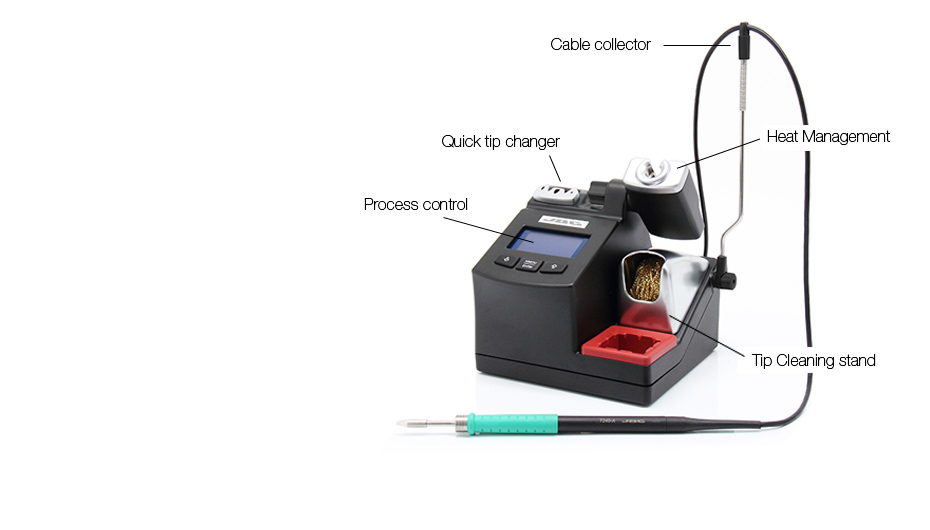
JBC
Offer unconfirmed
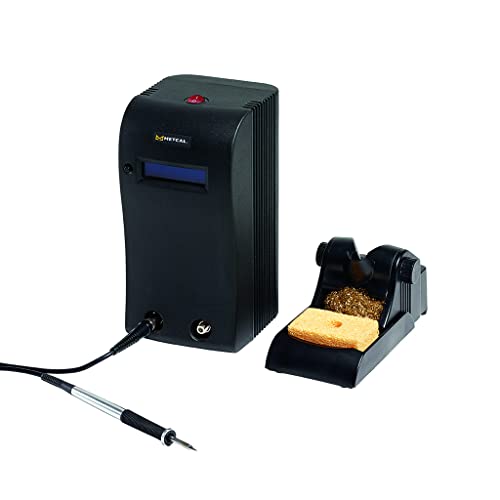
Metcal
$1017.55
Comparing brands?
Read the full Hakko vs Weller vs JBC: The Definitive Soldering Station Brand Comparison →
Brand philosophies, tip ecosystems, 5-year TCO math, and what we'd actually buy with our own money.
Read the brand-comparison guide →Spec-by-Spec Comparison
| Spec | JBC CD-2BC Professional Soldering Station | Metcal MX-5210 Soldering and Rework System |
|---|---|---|
| Station Type | Professional Soldering Station | Professional Rework System |
| Wattage | 130 W | 120 W |
| Temp Range | 90–450°C °C | 270–454°C (fixed cartridge temps) °C |
| Temp Stability | 1 ±°C | 1 ±°C |
| Tip System | C245 Cartridges | RM3E Cartridges |
| Digital Display | Yes | No |
| Temp Lock | Yes | Yes |
| Sleep Mode | Yes | Yes |
| Hot-Air Channel | No | No |
| Channels | 1 | 1 |
| Price | Offer unconfirmed | $1017.55 |
| Rating | 4.8/10 | 4.6/10 |
| Buy on Amazon |
Pros & Cons
JBC CD-2BC Professional Soldering Station
Pros
- Cartridge-as-heater architecture places the heating element and sensor close to the working tip
- T245 handle with C245 cartridge tips: the cartridge IS the heater, so the iron tip itself stays at temperature
- Manufacturer specifications position the CD series for tight temperature control, but this site has not independently bench-tested it
- Sleep-on-stand and hibernation modes reduce idle tip temperature and may extend cartridge life
- C245 cartridge replacement cost belongs in the ownership calculation alongside station price
- Used by professional rework shops worldwide — the station you graduate to when accuracy matters
Cons
- Entry price is 6–7x the Hakko FX-888D — only justified if you solder daily or do paid rework work
- C245 cartridges run $20–35 each — sticker shock at first purchase even though they last
- Stand and handle ergonomics favor right-handed users (left-hand kits exist but cost extra)
- Not designed for hot-air rework — pair with a separate Quick 861DW or JBC TE for SMD removal
- Limited Amazon-channel availability — many SKUs flow through Mouser/Digi-Key instead
Metcal MX-5210 Soldering and Rework System
Pros
- Metcal's smart-cartridge system sets temperature by cartridge selection, not a dial — near-instant heat-up and no warm-up drift
- Widely used in professional and production rework environments as a JBC alternative
- RM3E hand-piece is purpose-built for continuous daily use, not hobby-intermittent duty
- Comes up directly in 'JBC vs Metcal' searches — a legitimate third premium option, not just a JBC clone
Cons
- At over $1,000, this is the most expensive station in this roundup by a wide margin — daily-use professional buyers only
- No digital display or numeric temperature readout — the cartridge itself sets the temperature, which some buyers find opaque coming from Hakko/Weller
- Cartridges are a recurring cost, similar to JBC's C245 tips
- Amazon stock has run scarce historically — confirm current availability and consider Metcal's authorized distributors for faster fulfillment
Our Verdicts
JBC CD-2BC Professional Soldering Station
The JBC CD-2BC is a professional-tier cartridge station whose manufacturer-documented architecture is aimed at frequent PCB rework. This site has not independently bench-tested its recovery or temperature stability, so buyers should treat the premium as a workflow and ecosystem decision, not a proven performance multiplier. It is difficult to justify for occasional hobby use.
Metcal MX-5210 Soldering and Rework System
The Metcal MX-5210 is the station professional rework techs weigh directly against JBC's CD-2BC — smart-cartridge heat-up instead of a digital dial, built for continuous daily use. It's overkill outside a paid repair or production setting, but the direct 'JBC vs Metcal' comparison is worth knowing before you spend flagship money.
JBC CD-2BC Professional Soldering Station
Offer unconfirmed
Frequently Asked Questions
Which is better, the JBC CD-2BC Professional Soldering Station or the Metcal MX-5210 Soldering and Rework System?
It depends on your use case. JBC CD-2BC Professional Soldering Station (JBC, Offer unconfirmed): The JBC CD-2BC is a professional-tier cartridge station whose manufacturer-documented architecture is aimed at frequent PCB rework. This site has not independently bench-tested its recovery or temperature stability, so buyers should treat the premium as a workflow and ecosystem decision, not a proven performance multiplier. It is difficult to justify for occasional hobby use. Metcal MX-5210 Soldering and Rework System (Metcal, $1017.55): The Metcal MX-5210 is the station professional rework techs weigh directly against JBC's CD-2BC — smart-cartridge heat-up instead of a digital dial, built for continuous daily use. It's overkill outside a paid repair or production setting, but the direct 'JBC vs Metcal' comparison is worth knowing before you spend flagship money.
How much does the JBC CD-2BC Professional Soldering Station cost vs the Metcal MX-5210 Soldering and Rework System?
A current Amazon price comparison is not available because at least one exact offer is out of stock or unconfirmed. Review the model status before comparing checkout cost.
Is the JBC CD-2BC Professional Soldering Station good for beginners?
JBC CD-2BC Professional Soldering Station is suited for: repair, pcb. Metcal MX-5210 Soldering and Rework System is suited for: repair, pcb. If you're picking your first bench tool, choose the one whose use-case list includes "beginner" — and prioritize ease of setup over advanced features.
Which has the better support ecosystem, JBC or Metcal?
JBC CD-2BC Professional Soldering Station: uses the C245 Cartridges tip ecosystem, so replacement tips and specialty shapes matter. Metcal MX-5210 Soldering and Rework System: uses the RM3E Cartridges tip ecosystem, so replacement tips and specialty shapes matter.